−55%Life cycle costs.
Three times the service life at a competitive purchase price.
Cost-efficient, high-power sodium-ion cells and batteries, developed in Germany.
 Designed and engineered by humans in Germany.


These specifications apply to the near-production prototype.
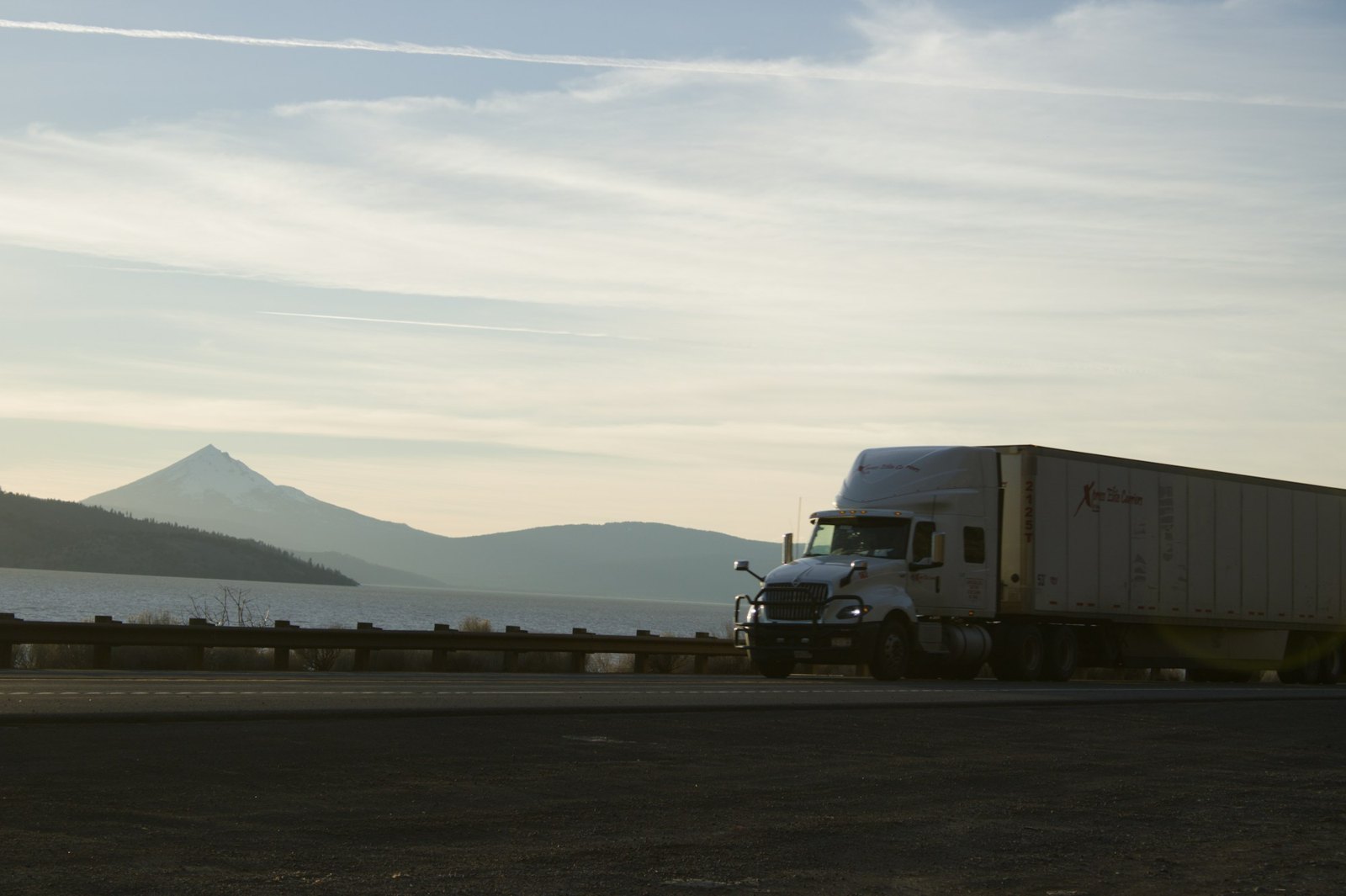
Every year, hundreds of millions of weak or faulty lead-acid batteries in trucks and cars need replacing worldwide. The ADAC lists the starter battery among the most common causes of car breakdowns. In our interviews with truck customers, the lead-acid auxiliary battery was the most frequently cited cause of breakdowns. They usually fail suddenly and without warning, and the weight of the lead makes replacement difficult. For haulage companies, every breakdown is costly: the vehicle is off the road and the delivery misses its deadline. Litona’s sodium-ion technology solves these problems.
Three times the service life at a competitive purchase price.

Even after extended periods of inactivity, Litona’s sodium-ion battery remains undamaged – where lead-acid and lithium batteries give up.

Designed for discharge down to −40 °C. One nabada pack weighs 25 kg instead of around 120 kg for two lead-acid batteries.
Litona’s batteries contain no lithium, cobalt or nickel. We are investing in a European supply chain.
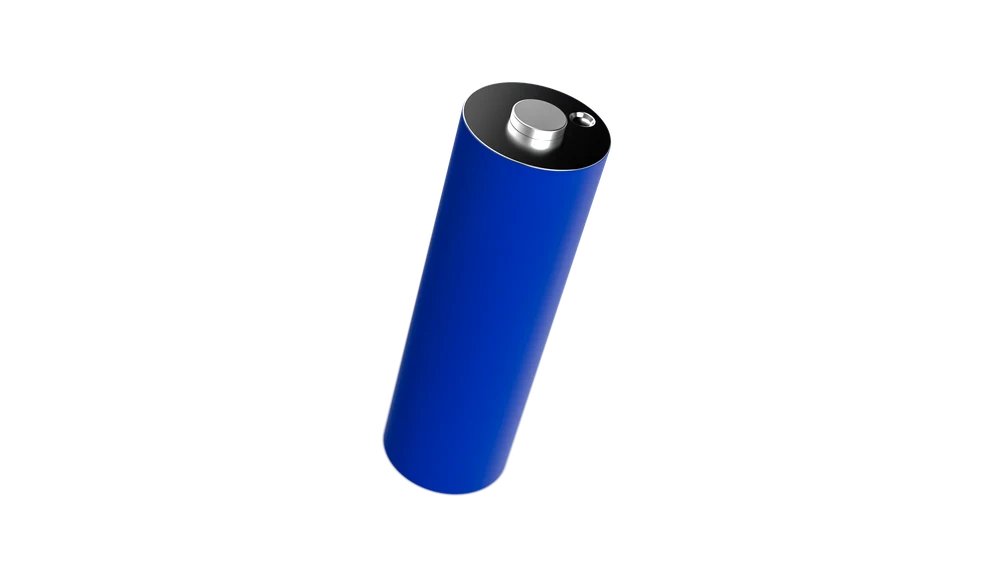
Sodium-ion cells featuring Litona’s advanced Prussian White cathode technology.
The flat voltage profile makes it easier to integrate the cells into existing low-voltage architectures designed for lead-acid or LFP batteries.
Pulse discharge at 22 C validated at −20 °C. Developed for applications where performance under the toughest conditions matters.
Contains no conflict metals. With Prussian White, we are laying the foundation for a local European battery value chain.

Reduce your fleet’s operating costs with long-lasting, cost-efficient sodium-ion batteries.
Strengthen your fleet with high-power-density sodium-ion cells.
Reliable energy for your time on the water and on the move – even after extended periods of inactivity.
Could Litona’s battery technology suit your application? Contact us for an introductory conversation.
Litona · Press release
Ulm, 24 November 2026 – Resistant to deep discharge, powerful in the cold and around 100 kilograms lighter: German sodium-ion battery company Litona is presenting its first generation of nabada low-voltage vehicle batteries at the Future Battery Forum, held on 24 and 25 November 2026 at ECC Berlin. The first prototype is a 24 V battery for trucks. Litona developed the battery design and pack concept in-house and is also establishing production of its own sodium-ion cells in Europe.
Every year, hundreds of millions of weak or defective lead-acid batteries in trucks and cars need replacing. Their short service life and frequent deep discharge make them one of the most common causes of vehicle breakdowns (2026 ADAC breakdown statistics and data collected by Litona). Failure is usually sudden and unexpected, and their high weight makes replacement difficult. For fleet operators, every breakdown is costly: the truck is off the road and the delivery misses its deadline.
Lithium-ion batteries are lighter and last longer, but have weaknesses of their own. Their power output drops in the cold, deep discharge can cause permanent damage, and their supply chains depend heavily on imports of critical raw materials from China.
Litona’s sodium-ion batteries close this gap. They are significantly lighter than lead-acid batteries, last longer and withstand deep discharge. Compared with lithium-ion batteries, they require no lithium, offer excellent cold-start performance, can be made with raw materials available in Europe and have the potential to deliver substantial cost savings.
“We deliberately chose to start where sodium-ion batteries already outperform established technology. Replacing lead-acid batteries is a huge market with a real problem, and that is exactly where the strengths of our technology come into play. This is our route to market and to producing our own cells in Europe,” says Tom Bötticher, CEO and co-founder of Litona.
| Property | Description |
|---|---|
| Cell chemistry | Sodium-ion, Prussian White cathode |
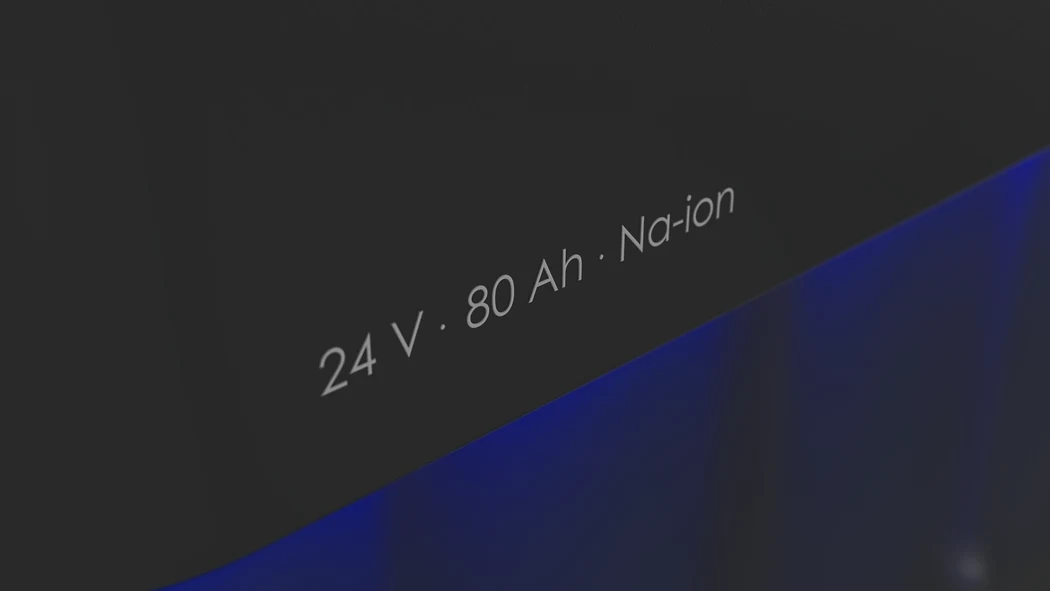
| Nominal voltage | 24.8 V |
| Capacity | 80 Ah, fully dischargeable without a safety risk |
| Energy | 2 kWh |
| Weight | 25 kg (around 100 kg lighter than two 12 V lead-acid batteries) |
| Dimensions | Matches a 12 V truck battery to DIN EN 50342-4 (518 × 276 × 242 mm) |
| Peak pulse current | 1,200 A for 10 seconds at −20 °C |
| Cold-weather performance | 15 C at −20 °C |
| Operating temperature | Down to −40 °C |
| Cells | 48 cylindrical cells, 46 mm in diameter |
| Cycle life | > 2,000 full cycles, 1C/1C, 100% depth of discharge |
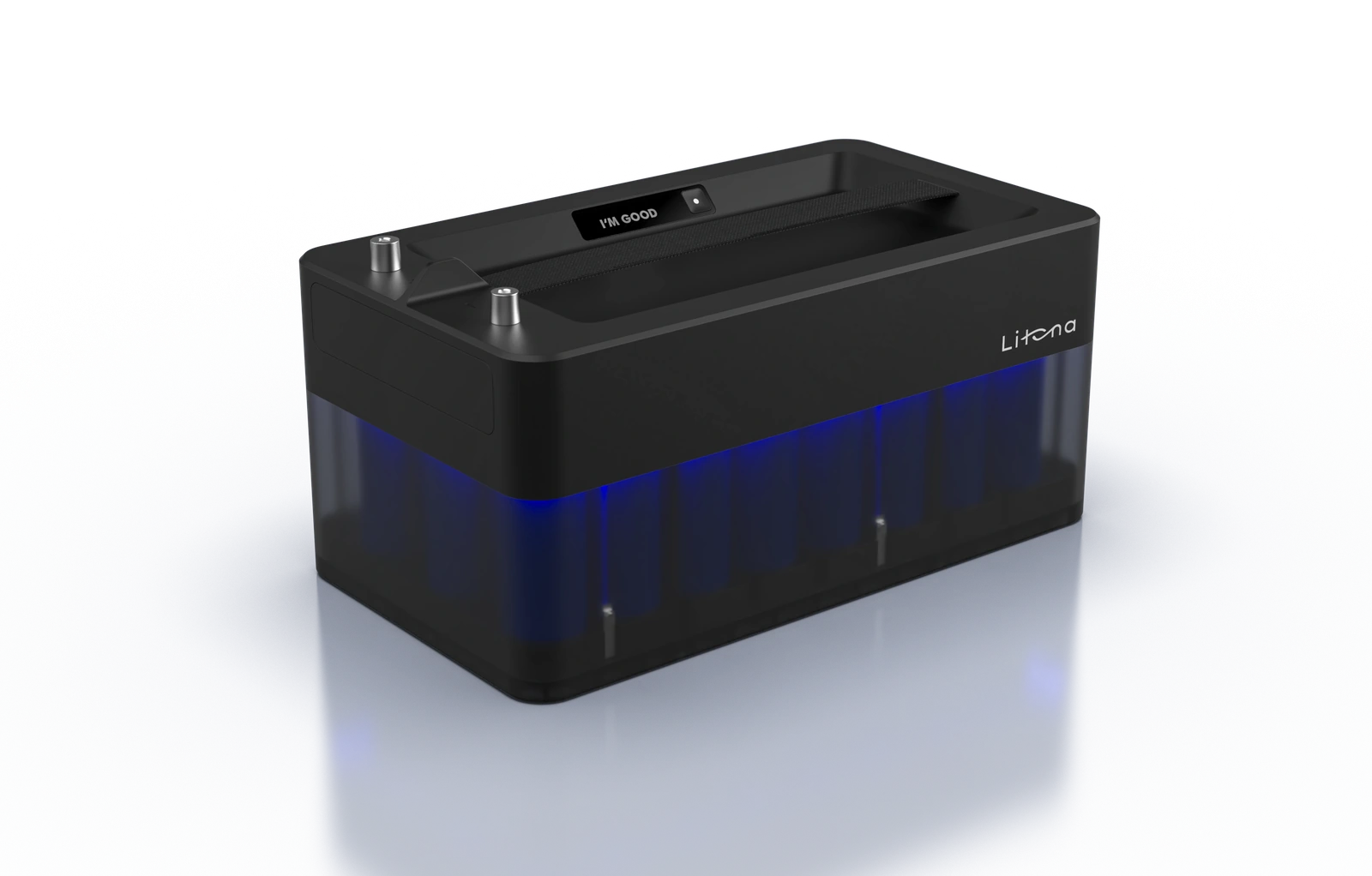
A single 24 V Litona nabada battery weighing 25 kg replaces two 12 V lead-acid truck batteries weighing over 60 kg each, saving around 100 kg per truck.
Compared with lead-acid batteries, nabada offers up to three times the service life. This is possible because its sodium-ion cells withstand more than 2,000 full cycles at 100% depth of discharge and have demonstrated resistance to deep discharge in testing.
The full 80 Ah of capacity can be used without damaging the battery. Lead-acid batteries should only be discharged halfway to avoid rapid ageing. In practice, this leaves only half their rated capacity available. Deep discharge permanently damages lithium-ion batteries and can create a safety risk when they are recharged.
Litona expects nabada to reduce a truck’s battery costs by around 55% over its service life. This estimate is based on the battery’s longer life and the competitive price targeted for series production.
nabada has the same dimensions as a standard 12 V lead-acid truck battery and can therefore be installed without modifications to the vehicle. The space occupied by the second 12 V battery becomes available. An optional second nabada can be installed there to double usable capacity to 160 Ah.
Unlike many sodium-ion cells, the Prussian White cells used in nabada have a flat voltage profile. Voltage remains stable throughout discharge, making the cells compatible with existing vehicle electrical systems designed for lead-acid or lithium iron phosphate (LFP) batteries.
Sodium-ion cells deliver strong performance in cold conditions. The near-production prototype delivers pulse currents of 1,200 A at −20 °C and is designed to operate down to −40 °C.
An in-house battery management system (BMS) is optimised for cold starts and the vehicle’s low-voltage electrical system. It keeps the battery available in cold weather and during brief voltage dips that cause many LFP systems to shut down prematurely. Limiting the charging current allows the battery to charge at low temperatures, and waste heat is used to heat up the cells.
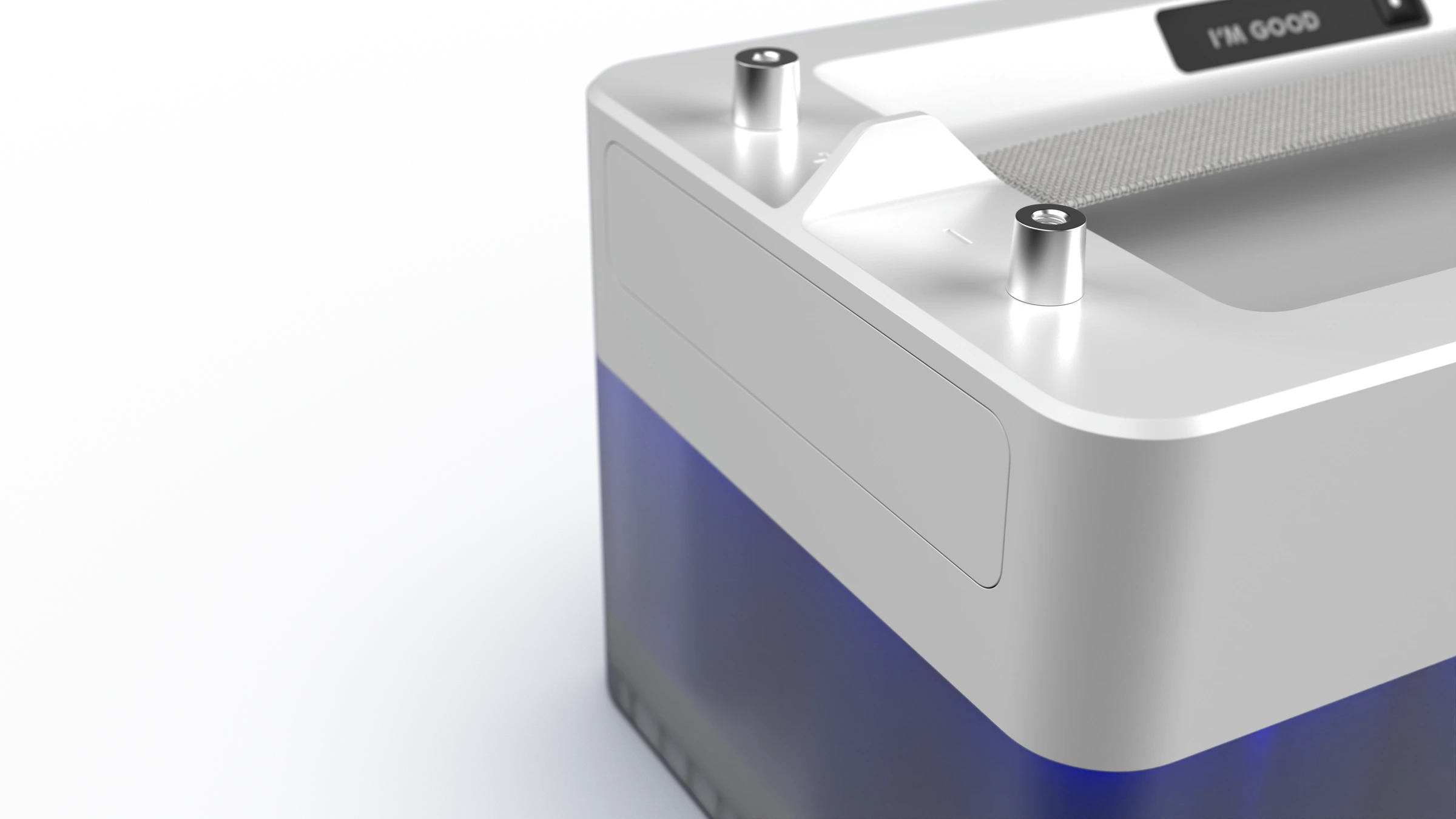
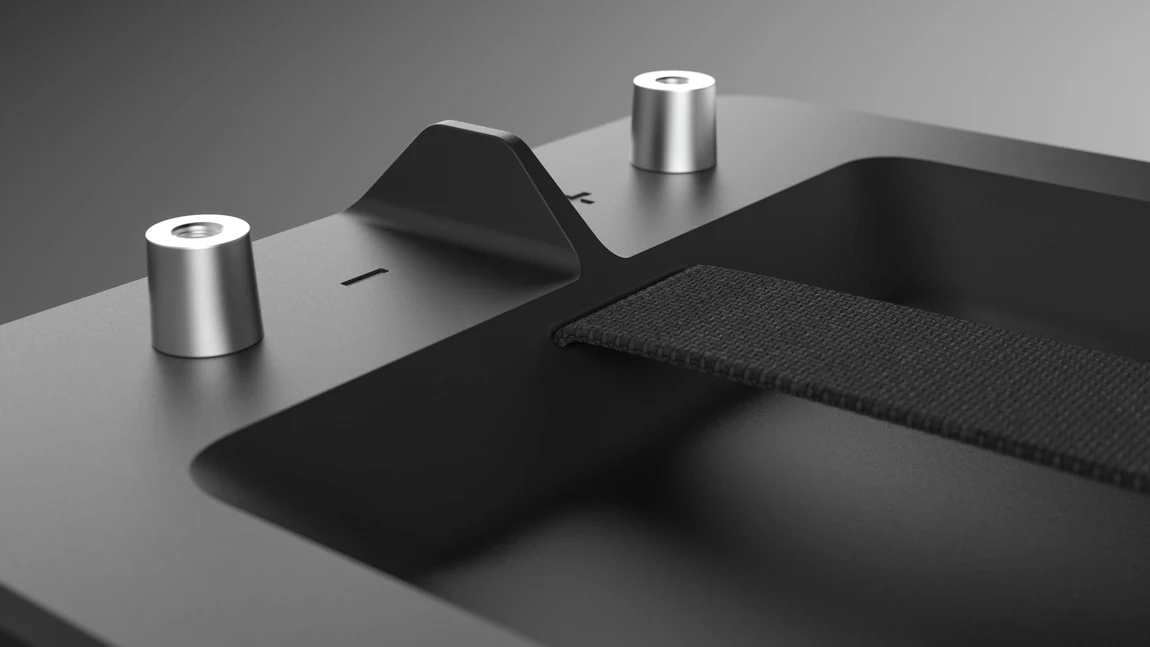
A carrying strap integrated into the lid lets the battery be lifted from above or from the side. One person can replace it without lifting equipment.
A divider between the battery terminals prevents short circuits, for example if a tool falls across them.
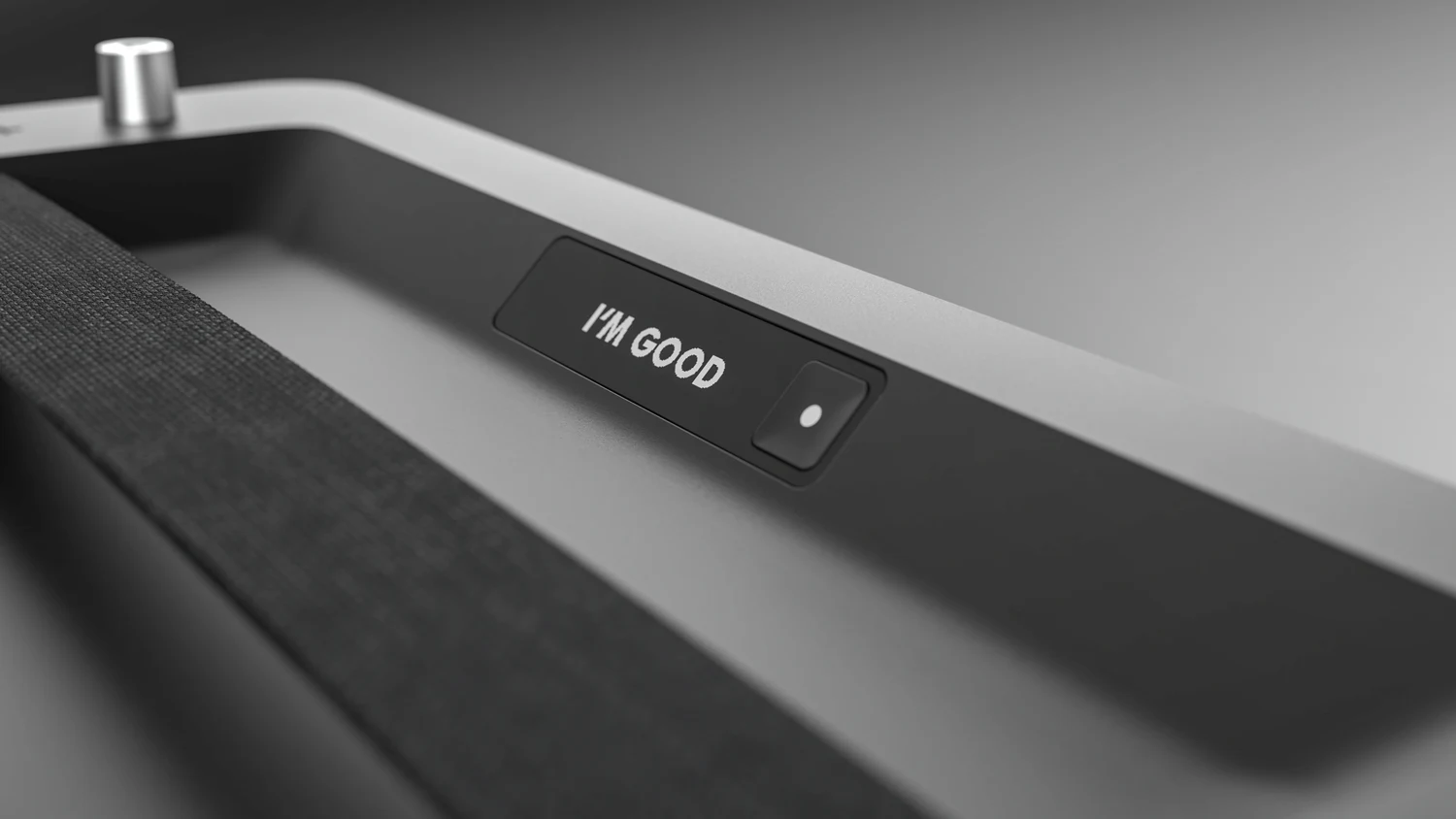
At the press of a button, a display in the lid shows the battery’s state of health. Fleet operators can see when a replacement is due and plan maintenance before the next breakdown.
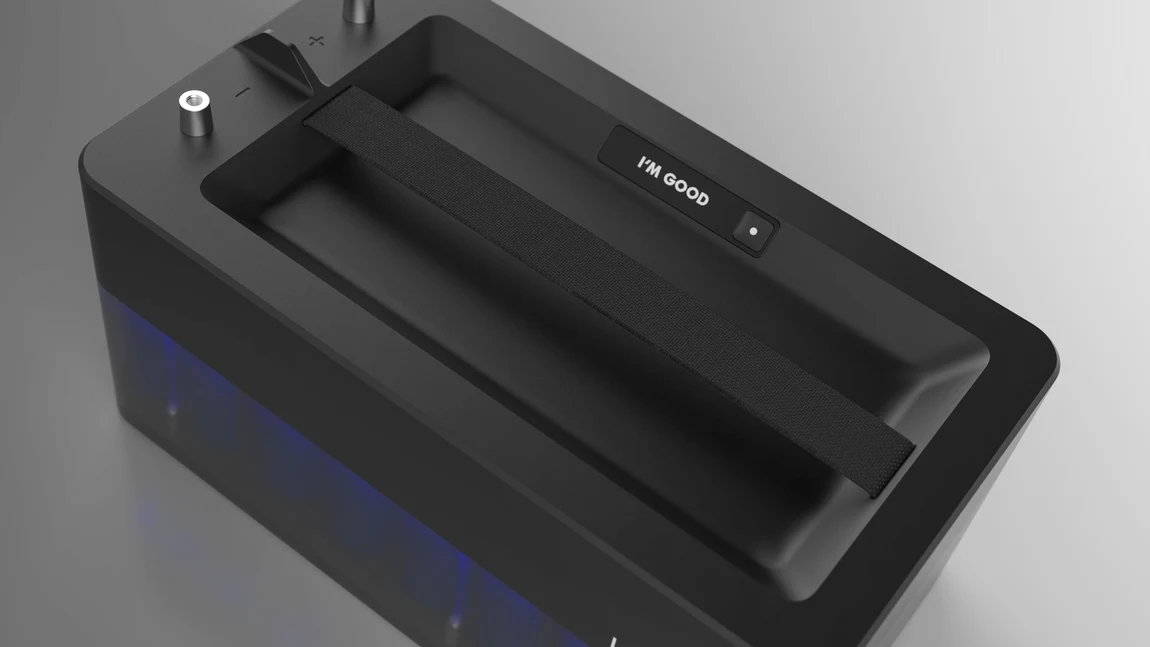
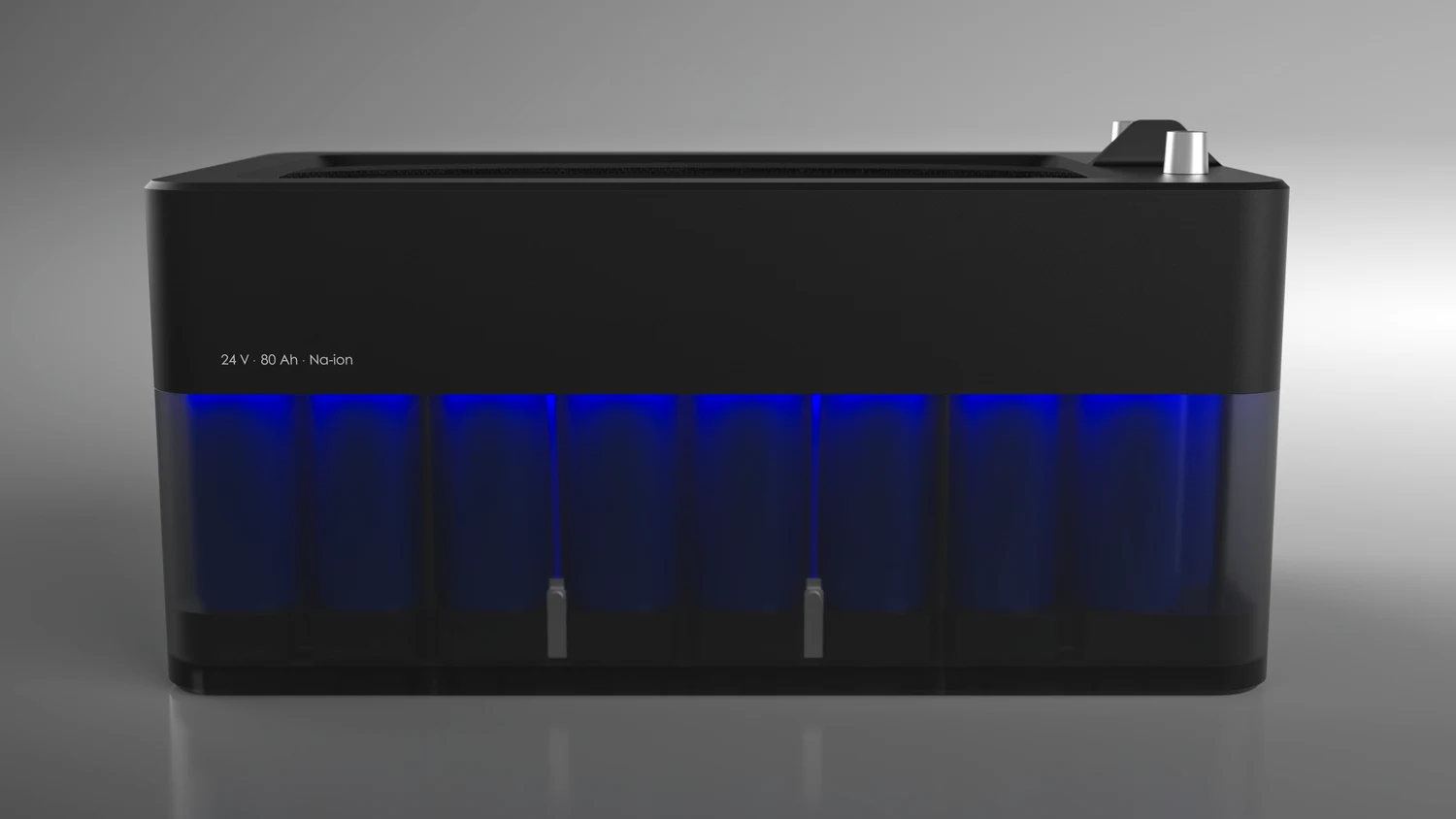
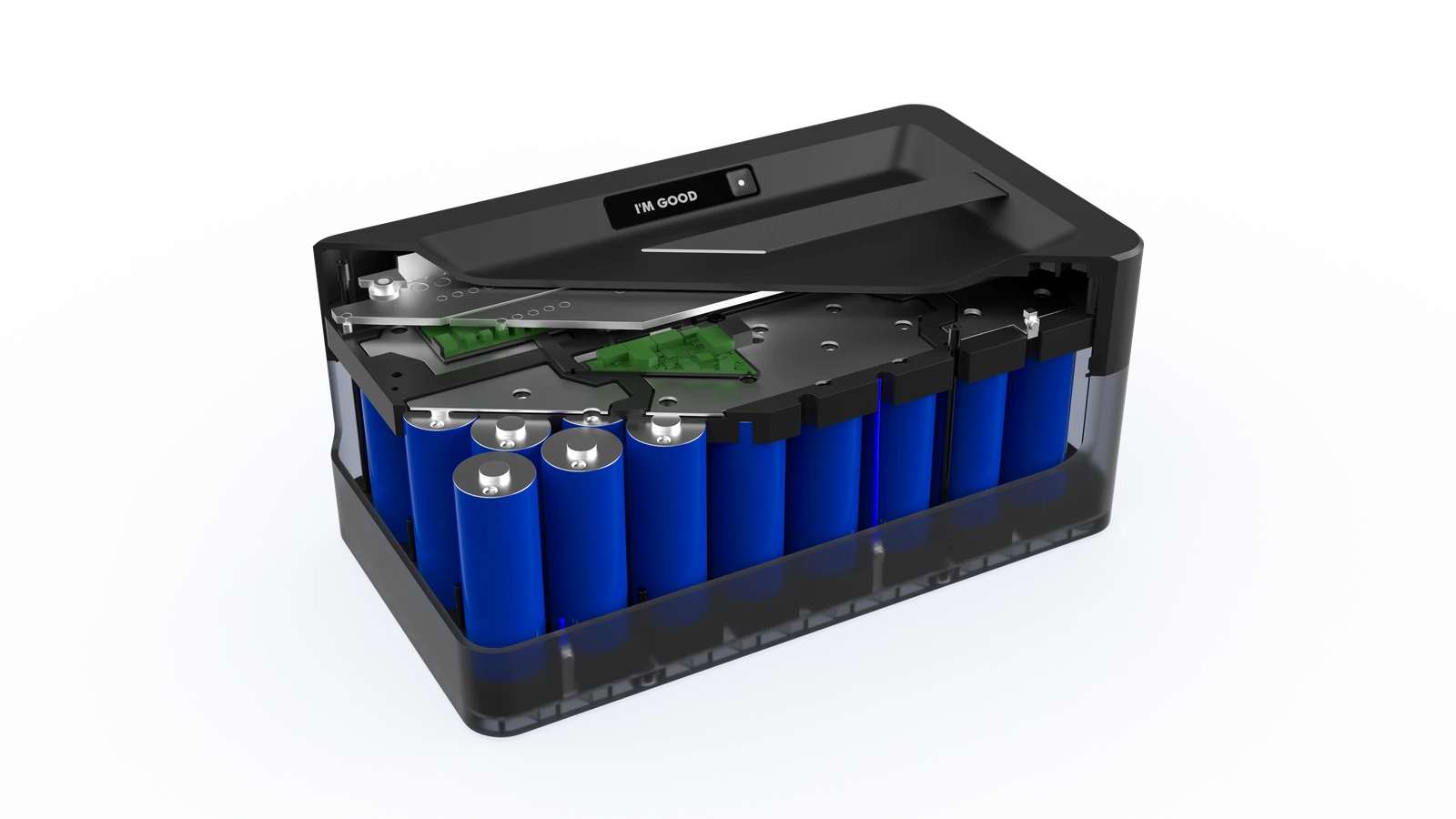
The transparent lower casing reveals the cell technology inside.
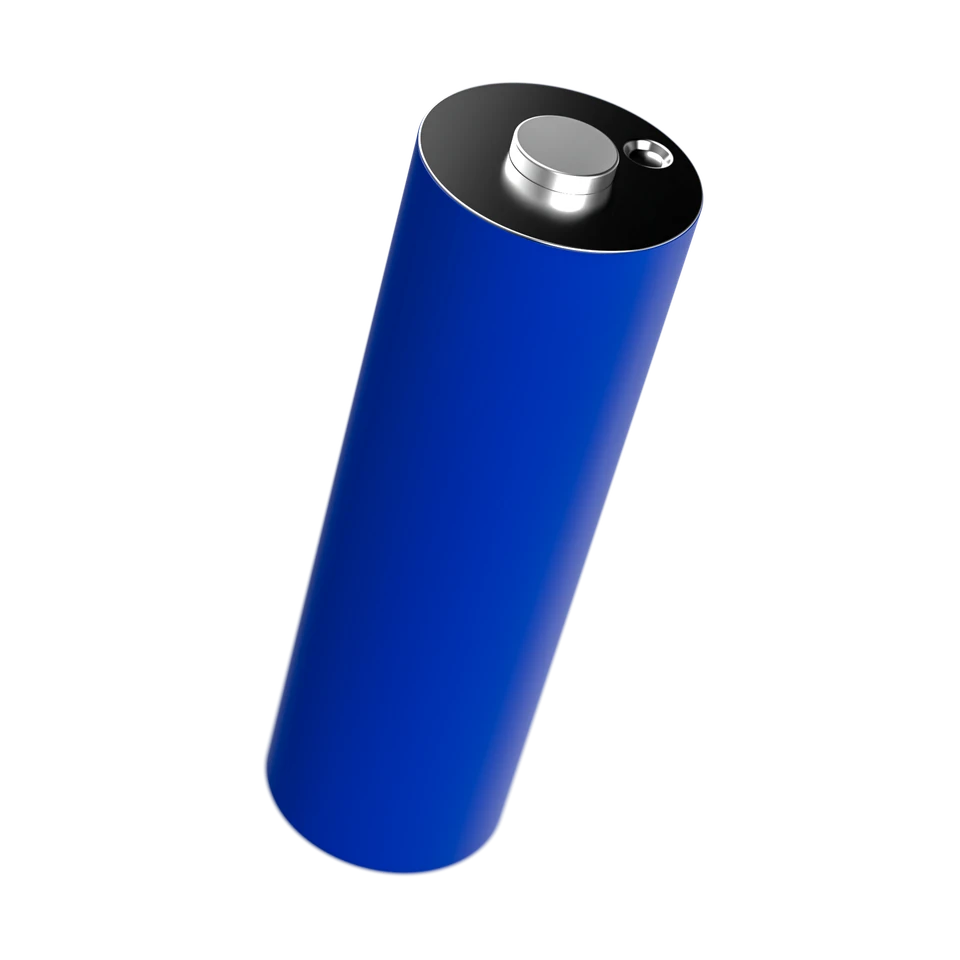
nabada contains 48 cylindrical sodium-ion cells, each 46 mm in diameter. The large cylindrical format is designed for high production volumes and low manufacturing costs.
To validate its battery concept and prepare for market launch, Litona sources cells from a contract manufacturer in Asia. In parallel, Litona is developing the next generation of cells with European cell manufacturers to establish production in Europe in the medium term. Initial pilot projects are under way. The first European-made sample cells (A-samples) are planned for 2027.
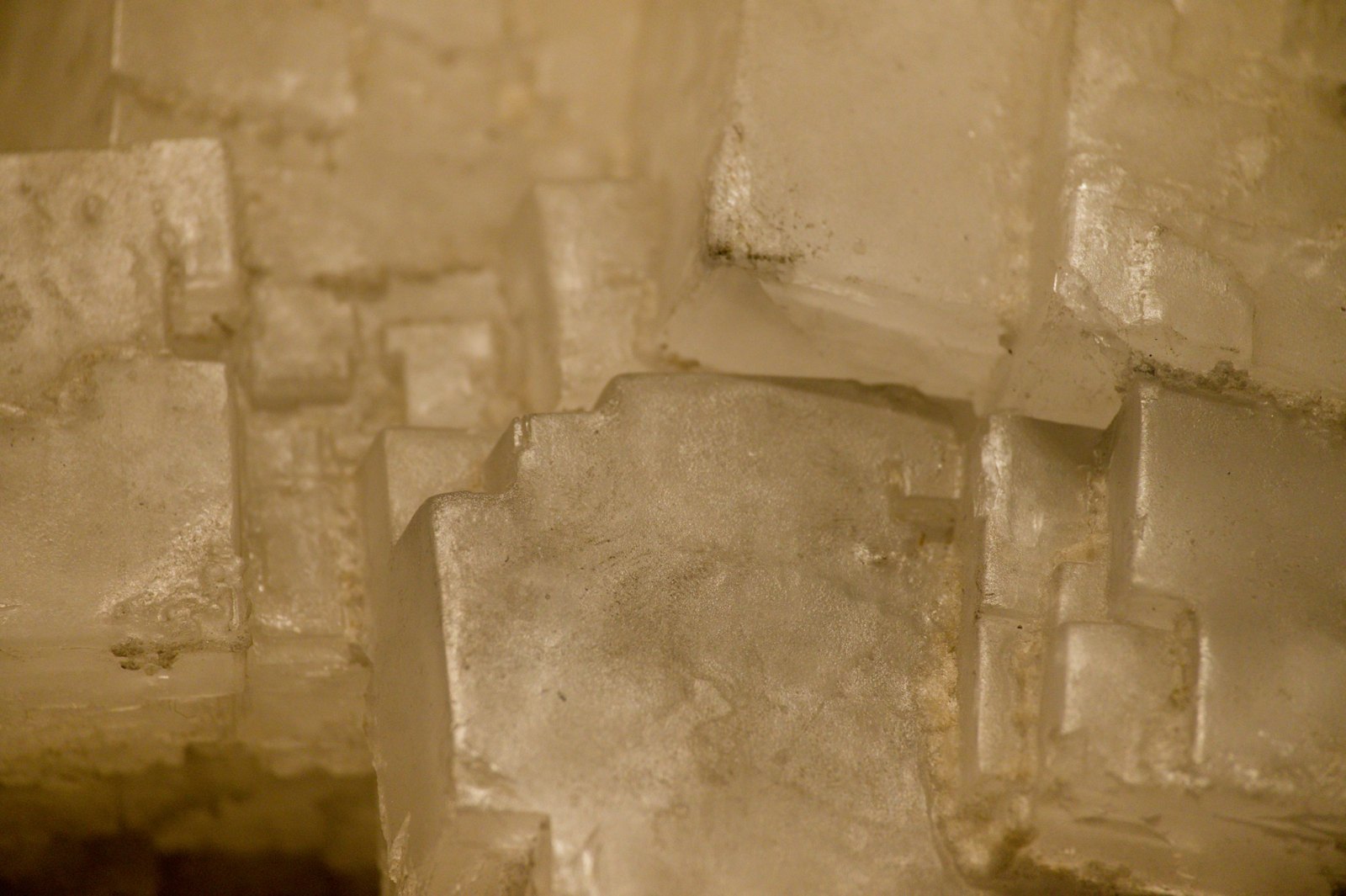
The cells use Prussian White as the cathode material. They contain no lead, lithium, cobalt, nickel or graphite. Instead, they use widely available raw materials such as sodium, iron, manganese and carbon. Aluminium replaces copper as a current collector.
“In the medium term, we will no longer depend on technology bought in from others. We develop it ourselves, from the cathode material through the cell design to the battery pack. For the first generation of cells, we are working with an experienced manufacturing partner in Asia so that fleet operators can already test nabada in everyday use. Battery design, battery management and quality testing all take place in Ulm. At the same time, we are working with European partners to bring our own Prussian White chemistry to production readiness, drawing on expertise we have built in-house. We expect the first European sample cells in 2027,” says Sebastian Büchele, CTO and founder of Litona.
Starter batteries represent a global market of around US$45 billion (Global Market Insights). Sodium-ion batteries can replace lead in this market, reduce life cycle costs for fleet operators and OEMs, and make Europe’s battery supply more independent.
Market data: Global Market InsightsThe low-voltage battery will become increasingly important. Software-defined vehicles have more control units and electrical loads that draw power even when parked. Steer-by-wire and brake-by-wire systems operate without a mechanical fallback and depend on a reliable power supply. In electric vehicles, the low-voltage battery must also power safety-critical systems if the high-voltage battery fails. A component once treated as a consumable is becoming critical to vehicle safety. That calls for robust technology that can withstand deep discharge.
Initial validation projects with European vehicle manufacturers are under way. Future generations of cells are expected to use Litona’s advanced Prussian White technology and be manufactured in Europe. The target is up to 22% higher energy density than today’s commercially available high-power sodium-ion cells.
Litona GmbH develops sodium-ion cells and batteries for an independent European battery supply. Mechanical engineer Sebastian Büchele and chemist Tom Bötticher founded the company in 2023. Bötticher runs one of the largest German-language YouTube channels on battery technology. From its development centre in Ulm, Litona covers the entire chain, from Prussian White cathode chemistry through cell design to the battery system. Its first application is replacing lead-acid batteries in vehicles.
Our products, a new application or a shared vision. We would love to hear about it.
contact@litona.de ↗